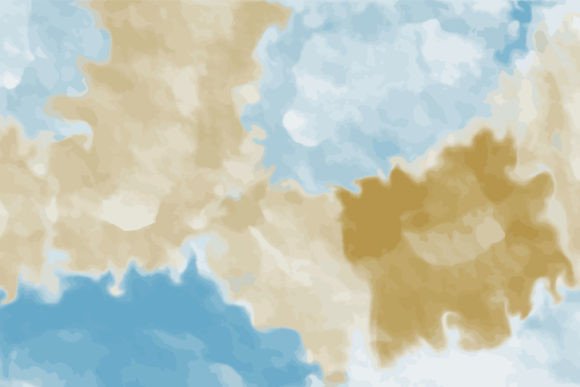
Elevating Digital Design with Blue Gold Watercolor Textured Wallpaper
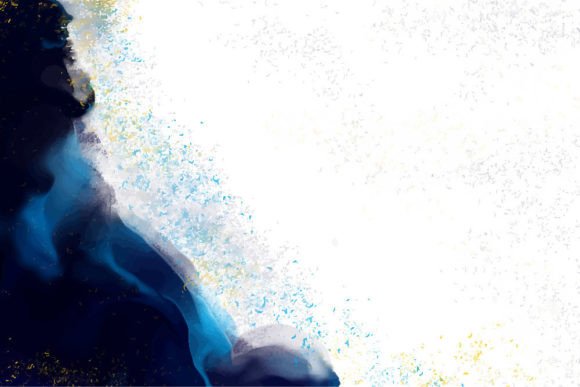
In the rapidly evolving landscape of digital design, texture is no longer just a background element; it is a storytelling device. Among the myriad of options available to creators, Blue Gold Watercolor Textured Wallpaper has emerged as a standout choice for those seeking to blend elegance with artistic depth. This specific aesthetic combines the calming, fluid nature of watercolor blues with the luxurious, metallic allure of gold accents. The result is a versatile visual asset that transcends simple decoration, becoming a foundational tool for branding, publishing, and social media engagement.
Understanding why this particular design resonates requires looking beyond its surface beauty. It is about the psychological impact of color, the tactile illusion of texture, and the technical flexibility provided by modern file formats. Whether you are an independent author designing a book cover or a social media manager curating a feed, integrating high-quality textured backgrounds can significantly elevate the perceived value of your work.
The Psychology and Aesthetics of Blue and Gold
Color theory plays a pivotal role in how audiences perceive content. Blue is universally associated with trust, stability, and calmness. It is a color that invites the viewer to pause and reflect. When you introduce gold into this equation, the dynamic shifts. Gold represents prestige, success, and high quality. The combination found in Blue Gold Watercolor Textured Wallpaper creates a harmonious balance between approachability and exclusivity.
The watercolor medium adds another layer of sophistication. Unlike flat, digital colors, watercolor textures possess organic irregularities. These subtle variations mimic the hand-painted process, adding a human touch to digital projects. This "imperfection" is crucial in an era where audiences are increasingly skeptical of overly polished, sterile corporate aesthetics. The textured appearance suggests craftsmanship and attention to detail, qualities that transfer to whatever product or message is overlaid on the background.
Versatility Across Industries
One of the most compelling arguments for adopting this design style is its remarkable versatility. It does not belong to a single niche but rather enhances a wide array of applications. Here is how different creators can leverage this asset:
- Book Covers and KDP Interiors: For authors, particularly in genres like romance, self-help, or literary fiction, the cover is the first sales pitch. A blue and gold watercolor background provides a sophisticated canvas that allows typography to pop without overwhelming the reader. Furthermore, using these textures for Kindle Direct Publishing (KDP) interiors can create a cohesive brand experience from the first page to the last.
- Social Media Posts: In the crowded space of Instagram and Pinterest, visual consistency is key. Using a consistent textured background helps establish a recognizable brand identity. The blue tones provide a neutral yet engaging base for text overlays, quotes, or product announcements.
- Web Backgrounds: Website designers often struggle with finding backgrounds that are interesting but not distracting. This wallpaper offers enough visual interest to prevent a site from looking bland, while the soft gradients ensure that foreground content remains readable.
- Mobile Covers and Stickers: On a consumer level, this design appeals to those who want their personal devices to reflect a sense of style. The luxurious feel of gold against deep blue translates well to physical products like phone cases and decorative stickers.
Technical Specifications and Workflow Integration
A beautiful design is only as good as its usability. Modern creators work across a variety of platforms, from simple drag-and-drop tools to professional-grade vector software. The utility of Blue Gold Watercolor Textured Wallpaper is greatly enhanced by the inclusion of multiple file formats, specifically designed to accommodate different skill levels and software preferences.
The Power of High-Resolution JPEGs
For the majority of users, the included 300 DPI JPEG file is the workhorse of the package. DPI, or dots per inch, is a critical metric for print quality. A resolution of 300 DPI ensures that when you use this image for physical products—such as printed book covers, posters, or merchandise—the output remains crisp and clear, without pixelation or blurriness.
This format is universally compatible. You can seamlessly integrate it into:
- Canva: Ideal for quick social media graphics and presentations.
- Microsoft Word and PowerPoint: Perfect for creating professional reports, proposals, or slide decks that need a touch of elegance.
- Other Similar Applications: Any software that accepts standard image files can utilize this asset, making it accessible to beginners and professionals alike.
The ease of use here cannot be overstated. There is no learning curve for layer management or vector manipulation. You simply insert the image, adjust the transparency if needed, and place your text or logos on top.
Editing Flexibility with Vector EPS CC
For graphic designers who require total control over the elements, the inclusion of an Illustrator EPS CC file is a significant advantage. Unlike raster images (like JPEGs), vector files are made of mathematical paths. This means they can be scaled to any size without losing quality.
Using Adobe Illustrator, you can edit the individual components of the Blue Gold Watercolor Textured Wallpaper. Perhaps you want to shift the hue of the blue to match a specific brand guideline, or maybe you want to isolate the gold splatters to use as separate design elements. The vector format allows for this level of customization. It transforms the wallpaper from a static background into a modular design kit.
The ZIP archive includes both formats, ensuring that whether you are a hobbyist using free online tools or a professional designer working in the Adobe Creative Cloud ecosystem, you have the right tool for the job.
Practical Considerations for Designers
When incorporating textured backgrounds into your projects, there are several best practices to keep in mind to ensure optimal results. First, consider contrast. While the blue and gold palette is inherently balanced, adding text requires careful thought. White or light cream text usually works best against the darker blue areas, while dark navy or black text can stand out against the lighter, gold-heavy sections.
Secondly, think about hierarchy. The texture should support your main message, not compete with it. If you are designing a book cover, ensure the title and author name are the focal points. You might need to add a semi-transparent overlay box behind the text to improve readability if the watercolor patterns are particularly busy in certain areas.
Finally, consistency is key for branding. If you choose this aesthetic for your social media, try to carry it through to your website headers and email newsletters. This repetition builds brand recognition. The Blue Gold Watercolor Textured Wallpaper serves as an excellent anchor for such a cohesive visual strategy.
Expanding Your Creative Library
Investing in high-quality design assets is an investment in your professional presentation. By choosing resources that offer both aesthetic appeal and technical robustness, you save time and elevate your output. This specific design package is just one example of how traditional artistic mediums like watercolor can be adapted for modern digital needs.
For those who find this style resonates with their creative vision, exploring further options is highly recommended. Many designers offer complementary assets such as matching brushes, additional color variations, or coordinated KDP interiors. Visiting a designer’s profile can reveal a suite of tools that work together harmoniously. From T-shirt designs that require bold, scalable vectors to intricate illustrations that benefit from high-resolution textures, having a reliable source for these materials streamlines the creative process.
In conclusion, the Blue Gold Watercolor Textured Wallpaper is more than just a pretty picture. It is a functional, versatile, and psychologically impactful tool for modern creators. By understanding its technical features and applying it thoughtfully across various mediums, you can enhance the visual appeal and professional quality of your projects. Whether you are editing in Illustrator or dragging and dropping in Canva, this asset provides the foundation for stunning, memorable designs.