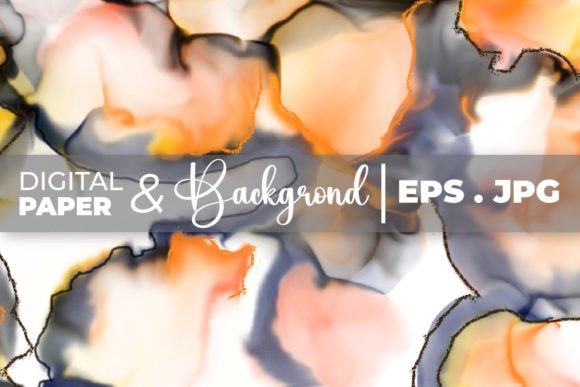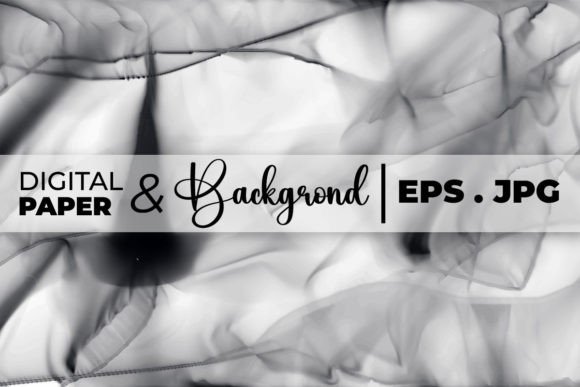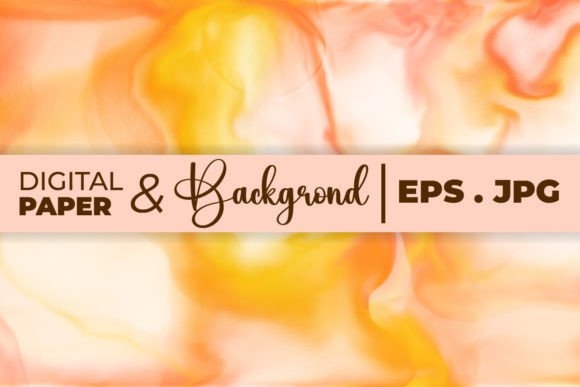
Enhancing Visual Identity with an Elegant Marble Textured Background
In the rapidly evolving landscape of digital design and print media, the choice of background elements plays a pivotal role in establishing tone, credibility, and aesthetic appeal. Among the myriad of options available to creators, an elegant marble textured background stands out as a timeless choice that bridges the gap between classic sophistication and modern minimalism. Whether you are designing a corporate report, a luxury product label, or social media content, the subtle interplay of light and shadow inherent in marble textures adds depth and perceived value to any composition.
This comprehensive guide explores the versatility, technical specifications, and practical applications of high-quality marble textures, helping professionals and hobbyists alike make informed decisions about their visual assets.
The Versatility of Marble Aesthetics in Modern Design
Marble has long been associated with luxury, stability, and artistry. When translated into digital formats, these associations remain intact, offering designers a powerful tool to communicate quality without overt branding. An elegant marble textured background is not merely a decorative element; it serves as a foundational layer that influences how viewers perceive the foreground content.
For book covers, a marble texture can suggest a narrative of depth and complexity, appealing to readers of literary fiction, history, or self-help genres. In the realm of web backgrounds, it provides a neutral yet engaging canvas that ensures text remains readable while preventing the visual fatigue often caused by stark white or flat colored screens. The organic veins and soft gradients mimic natural patterns, which human eyes find inherently calming and pleasing.
Beyond static media, these textures are increasingly popular for social media posts and digital stickers. In an feed dominated by bold colors and aggressive marketing, a subtle marble backdrop offers a moment of visual respite, drawing attention through understatement rather than noise. This makes it an ideal choice for lifestyle influencers, wellness coaches, and boutique brands aiming to cultivate a serene and trustworthy online presence.
Technical Specifications and File Formats
Understanding the technical underpinnings of your design assets is crucial for maintaining quality across different platforms. A professional-grade marble texture package typically includes multiple file formats to accommodate various workflows. The most common and useful combination involves high-resolution JPEGs and vector EPS files.
High-Resolution JPEG Files
The inclusion of a 300 DPI JPG file is essential for any designer working with raster-based applications. DPI, or dots per inch, refers to the printing resolution of an image. A 300 DPI standard ensures that when the image is printed, it appears sharp and detailed, without pixelation or blurriness. This format is universally compatible, making it accessible for users of:
- Canva: Ideal for quick social media graphics and presentations.
- MS Word: Perfect for creating professional resumes, letters, and reports.
- MS PowerPoint: Enhances slide decks with a polished, corporate look.
- Other similar applications: Including Google Slides, Pages, and basic photo editors.
The JPEG format is compressed, which keeps file sizes manageable for email attachments and web uploads, while still retaining sufficient quality for most non-vector tasks. For mobile covers and digital stickers, this high-resolution source allows for scaling down without loss of clarity, ensuring crisp edges on high-density smartphone screens.
Vector EPS CC Files
For advanced customization, the Illustrator EPS CC file offers unparalleled flexibility. Unlike raster images, which are made of pixels, vector files are composed of mathematical paths. This means you can scale the marble texture to any size—from a business card to a billboard—without any degradation in quality.
Using Adobe Illustrator, designers can edit individual elements of the texture. You might adjust the color palette to match specific brand guidelines, modify the intensity of the veins, or isolate certain parts of the pattern for unique compositions. This level of control is indispensable for professional graphic designers who need to integrate the texture seamlessly into complex layouts or prepare files for large-format printing.
Practical Applications Across Industries
The utility of an elegant marble textured background extends far beyond simple decoration. Its adaptability makes it a valuable asset across diverse industries and creative projects.
Publishing and KDP Interiors
Self-publishing authors using Kindle Direct Publishing (KDP) often seek ways to differentiate their books in a crowded marketplace. While cover design is critical, the interior layout also contributes to the reader's experience. Marble textures can be used subtly in chapter headers, footers, or as background elements for quote pages. This adds a tactile feel to the digital reading experience, enhancing the perceived production value of the book.
Merchandise and Product Design
In the world of print-on-demand, T-shirts and mobile covers benefit greatly from trendy yet timeless designs. A marble pattern can serve as the primary graphic or as a subtle overlay on photographic prints. For mobile covers, the texture mimics the look of premium stone cases, offering a luxurious aesthetic at a fraction of the cost. Similarly, stationery items like notebooks, planners, and greeting cards gain an upscale appearance when printed on marble-patterned paper.
Digital Assets and Branding
For educators and researchers, presentation materials often suffer from generic templates. Incorporating a marble background into slide decks can elevate the professionalism of academic presentations, grant proposals, and conference talks. It conveys a sense of established authority and attention to detail. Furthermore, digital brushes derived from marble textures allow artists to paint with realistic stone effects in digital illustration software, expanding the toolkit for concept artists and game designers.
Considerations for Effective Implementation
While marble textures are versatile, their effectiveness depends on proper implementation. Overuse can lead to visual clutter, defeating the purpose of creating an elegant atmosphere. Here are key considerations for integrating these backgrounds successfully:
- Contrast Management: Ensure there is sufficient contrast between the text and the background. If the marble pattern is busy, consider placing text inside solid-colored boxes or using semi-transparent overlays to improve readability.
- Color Harmony: Choose a marble texture that complements your brand colors. White and gray marbles are neutral and safe, but black, gold, or green marbles can make bold statements. Use the vector EPS file to tweak hues if necessary.
- Scale and Proportion: The scale of the marble veins should match the size of the medium. Large, dramatic veins work well for posters and book covers, while finer, subtler patterns are better suited for business cards and web backgrounds where space is limited.
- Consistency: Maintain consistency across all branded materials. If you use a specific marble texture for your social media posts, consider using the same or a coordinating texture for your website and print materials to create a cohesive brand identity.
Maximizing Value Through Comprehensive Asset Packages
When downloading design resources, opting for a package that includes both raster and vector formats provides the best return on investment. The ZIP archive containing a high-quality JPEG and an editable Vector EPS CC file ensures that you are prepared for any project requirement. Whether you are a novice using Canva or a seasoned professional using Adobe Creative Cloud, having access to both formats eliminates the need to purchase separate assets for different tasks.
This dual-format approach supports a seamless workflow. You can start with the JPEG for quick mockups and client approvals, then switch to the EPS file for final production and fine-tuning. This flexibility saves time and reduces friction in the creative process, allowing you to focus on storytelling and strategy rather than technical limitations.
For those interested in expanding their design library, exploring additional resources such as KDP interiors, specialized brushes, and unique illustrations can further enhance your creative capabilities. By building a curated collection of high-quality assets, you establish a robust foundation for consistent, professional-grade output across all your projects.
Ultimately, the choice of an elegant marble textured background is a testament to the enduring power of natural aesthetics in digital design. It offers a blend of tradition and innovation, providing a sophisticated canvas for your ideas. By understanding the technical features and strategic applications of these textures, you can elevate your visual communications, engage your audience more effectively, and create lasting impressions in a competitive digital landscape.