Strategic Visuals: Elevating Beauty Salon Accessories Advertising Through 3D Design
In the highly competitive landscape of the beauty industry, visual communication serves as the primary bridge between a service provider and potential clientele. While skilled technicians and premium products form the backbone of any successful establishment, the method by which these assets are presented to the public determines initial engagement. Beauty Salon Accessories Advertising has evolved far beyond simple text-based flyers or static photographs of empty chairs. Today, it requires a sophisticated blend of artistic flair, psychological insight, and technical precision. The integration of high-quality graphic resources, such as vector posters and three-dimensional illustrations, allows salon owners and marketers to create compelling narratives that resonate with a diverse audience ranging from professional stylists to everyday consumers seeking self-care.
The Psychology of Color and Composition in Cosmetic Marketing
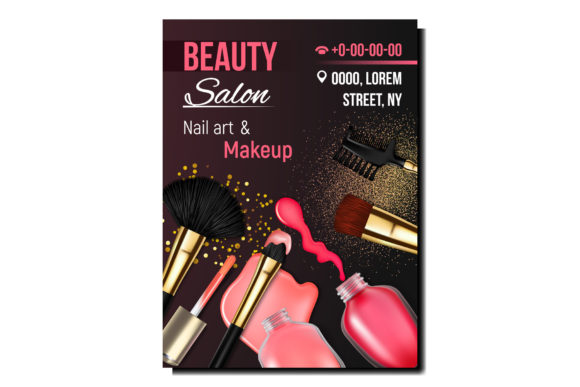
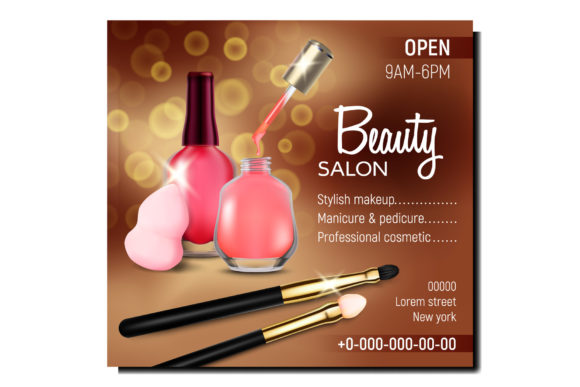
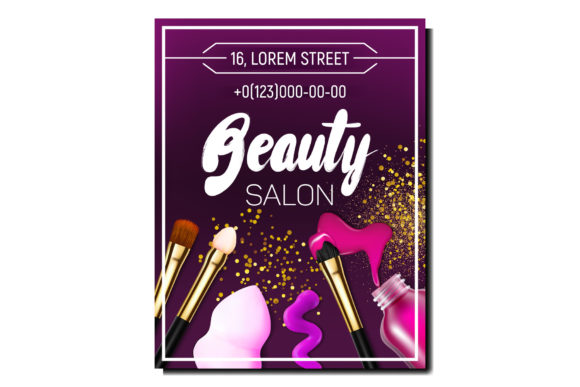
When designing promotional materials, understanding the emotional impact of color is paramount. Consider the specific imagery of a vial of purple and rose nail polish accompanied by brushes. This is not merely a depiction of tools; it is a curated aesthetic experience. Purple often conveys luxury, creativity, and wisdom, while rose tones suggest warmth, compassion, and femininity. When these hues are combined with the metallic sheen of brushes and the fluid dynamics of paint liquid, the resulting image triggers a sensory response in the viewer. It suggests precision, care, and artistry.
For creators and educators in the field, this highlights the importance of selecting assets that align with brand identity. A Beauty Salon Accessories Advertising Poster Vector that utilizes these specific color palettes can effectively communicate a salon’s specialty in detailed nail art or luxurious hand treatments. The inclusion of sparkles on the background further enhances this effect, adding a layer of glamour and excitement that appeals to consumers looking for an indulgent experience. These elements work together to transform a standard advertisement into a piece of digital art that captures attention in a crowded social media feed or on a busy street corner.
Leveraging 3D Illustrations for Modern Appeal
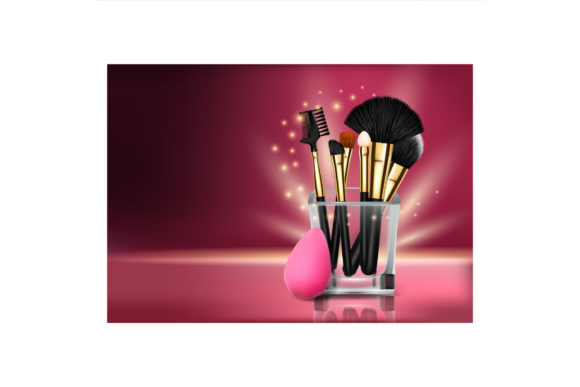
The shift towards three-dimensional rendering in marketing materials represents a significant trend in digital design. A concept template featuring a 3D illustration of cosmetic items offers several distinct advantages over traditional photography. Firstly, 3D models allow for perfect lighting and composition without the logistical challenges of a physical photoshoot. Every reflection on the nail polish bottle, every bristle on the brush, and every droplet of liquid can be meticulously controlled to achieve hyper-realism or stylized perfection.
This level of control is particularly beneficial for business owners who need consistent branding across various platforms. Whether the asset is used for a website banner, an Instagram story, or a printed brochure, the 3D illustration maintains its integrity and visual impact. Furthermore, the use of formats like JPG and EPS ensures versatility. JPG files are ideal for web use due to their smaller file size and compatibility, while EPS vectors allow for infinite scalability without loss of quality. This means a single design can be adapted for a small business card or a large storefront window display, ensuring brand consistency and professional presentation.
Practical Applications for Diverse Stakeholders
The utility of high-quality advertising assets extends beyond mere aesthetics; it serves practical functions for various stakeholders in the beauty ecosystem. For professionals, such as nail technicians and estheticians, these visuals can be used to showcase specific services. A poster highlighting the precision of brushwork and the vibrancy of polish colors can attract clients interested in complex nail art designs. It serves as a visual portfolio piece that demonstrates capability and attention to detail.
- Salon Owners: Can use these templates to launch seasonal promotions, such as summer glitter nails or winter rose-themed manicures, reducing the time and cost associated with custom design work.
- Product Manufacturers: May utilize these 3D illustrations in catalogs or online stores to present their accessories in an aspirational context, enhancing perceived value.
- Educators and Trainers: Can incorporate these images into training materials to illustrate proper tool usage or color theory, providing students with clear, visually engaging examples.
- Hobbyists and DIY Enthusiasts: Often seek inspiration from professional-grade advertising to replicate looks at home, making these visuals valuable content for blogs and tutorial videos.
By understanding the specific needs of these groups, marketers can tailor their Beauty Salon Accessories Advertising strategies to address different motivations. For instance, a campaign targeting professionals might emphasize the durability and quality of the brushes depicted, while one targeting consumers might focus on the emotional appeal of the sparkling, colorful results.
Technical Considerations and Format Selection
Selecting the right file format is a critical step in the implementation of any advertising campaign. As mentioned, the availability of both JPG and EPS formats provides flexibility. However, understanding when to use each is essential for optimal performance. JPG images are raster-based, meaning they are composed of pixels. They are suitable for digital displays where resolution requirements are standard, such as social media posts or email newsletters. Their compressed nature ensures faster loading times, which is crucial for maintaining user engagement online.
Conversely, EPS (Encapsulated PostScript) files are vector-based. This means they are defined by mathematical equations rather than pixels, allowing them to be resized to any dimension without becoming pixelated or blurry. For large-format printing, such as banners, billboards, or vehicle wraps, EPS files are indispensable. They ensure that text remains crisp and graphical elements retain their sharp edges, regardless of scale. For researchers and designers analyzing the technical aspects of print production, recognizing the difference between these formats can prevent costly errors and ensure high-quality output.
Enhancing Brand Identity Through Consistent Visual Language
Consistency is key to building a recognizable brand. Using a cohesive set of visual elements, such as a recurring theme of purple and rose tones with sparkling accents, helps establish a strong brand identity. When customers repeatedly encounter these specific visual cues across different touchpoints—website, social media, physical store—they begin to associate them with the brand’s values and quality. This recognition fosters trust and loyalty, which are essential for long-term business success.
Moreover, the use of standardized templates allows for efficient content creation. Instead of starting from scratch for every campaign, businesses can modify existing 3D illustrations to reflect new promotions or seasonal trends. This efficiency does not compromise creativity; rather, it provides a solid foundation upon which unique ideas can be built. For example, a salon might keep the same 3D model of the nail polish vial but change the background sparkles to match a holiday theme, creating fresh content quickly and cost-effectively.
The Role of Detail in Consumer Decision-Making
In the digital age, consumers are increasingly discerning. They scrutinize images for authenticity and quality. A poorly lit photograph or a low-resolution graphic can detract from the perceived value of a service or product. In contrast, a high-quality 3D illustration that showcases the intricate details of a brush or the glossy finish of nail polish conveys professionalism and care. It signals to the consumer that the business pays attention to details, which implies that they will receive the same level of care in their service.
This attention to detail is particularly important in the beauty industry, where results are highly visible and personal. Clients want to feel confident that they are entrusting their appearance to skilled professionals. Effective Beauty Salon Accessories Advertising reassures them of this competence through visual excellence. By investing in high-quality graphic resources, businesses demonstrate their commitment to quality, thereby influencing consumer decision-making positively.
Future Trends in Beauty Marketing Visuals
As technology continues to advance, the possibilities for creative expression in beauty marketing expand. Augmented reality (AR) and virtual try-on features are becoming more prevalent, allowing users to interact with products digitally. High-quality 3D models, such as those used in current advertising posters, are the foundational assets for these interactive experiences. Therefore, investing in robust 3D illustrations now prepares businesses for future technological integrations.
Additionally, the demand for personalized and inclusive marketing is growing. Templates that offer customizable elements allow brands to represent a diverse range of skin tones and styles, making their advertising more relatable and appealing to a broader audience. This inclusivity not only broadens market reach but also strengthens brand reputation as socially conscious and customer-centric.
In conclusion, the strategic use of visual assets like vector posters and 3D illustrations is integral to effective Beauty Salon Accessories Advertising. By leveraging the psychological power of color, the technical advantages of modern formats, and the versatility of digital templates, businesses can create compelling campaigns that engage, inform, and convert. Whether for professionals, consumers, or educators, these tools provide the means to communicate value and artistry in an increasingly visual world.